
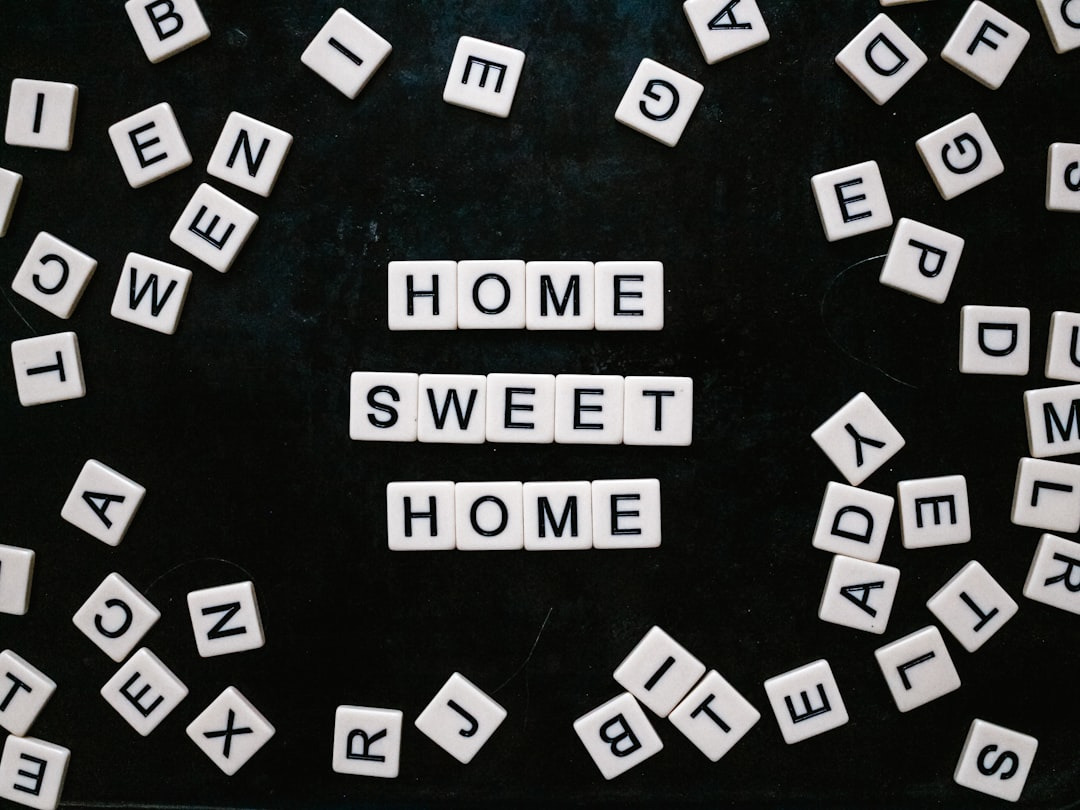
Take a real look around your home: is it minimal and tidy right now, or full of personal keepsakes? Bright and cool, or warm and cozy?
Your interior style is rarely pure taste.
It’s often a fairly accurate snapshot of your current life phase – your energy, your priorities, your emotional state.
Why your style shifts with your life phase
Interior style is a form of self-expression, and self-expression changes when the self does.
People going through demanding or exhausted phases often gravitate toward reduced, calm spaces – not out of trend-awareness, but because the nervous system can process fewer visual stimuli during these periods.
People in phases of self-reinvention (a new relationship with themselves, a new chapter) more often make bolder choices – stronger colors, unusual combinations, things that would have felt “too much” before.
And people who’ve recently lost control over external circumstances (a breakup, career upheaval) often design their home especially deliberately – as one of the few areas where they still have full decision-making power.
Common patterns – without boxing yourself in
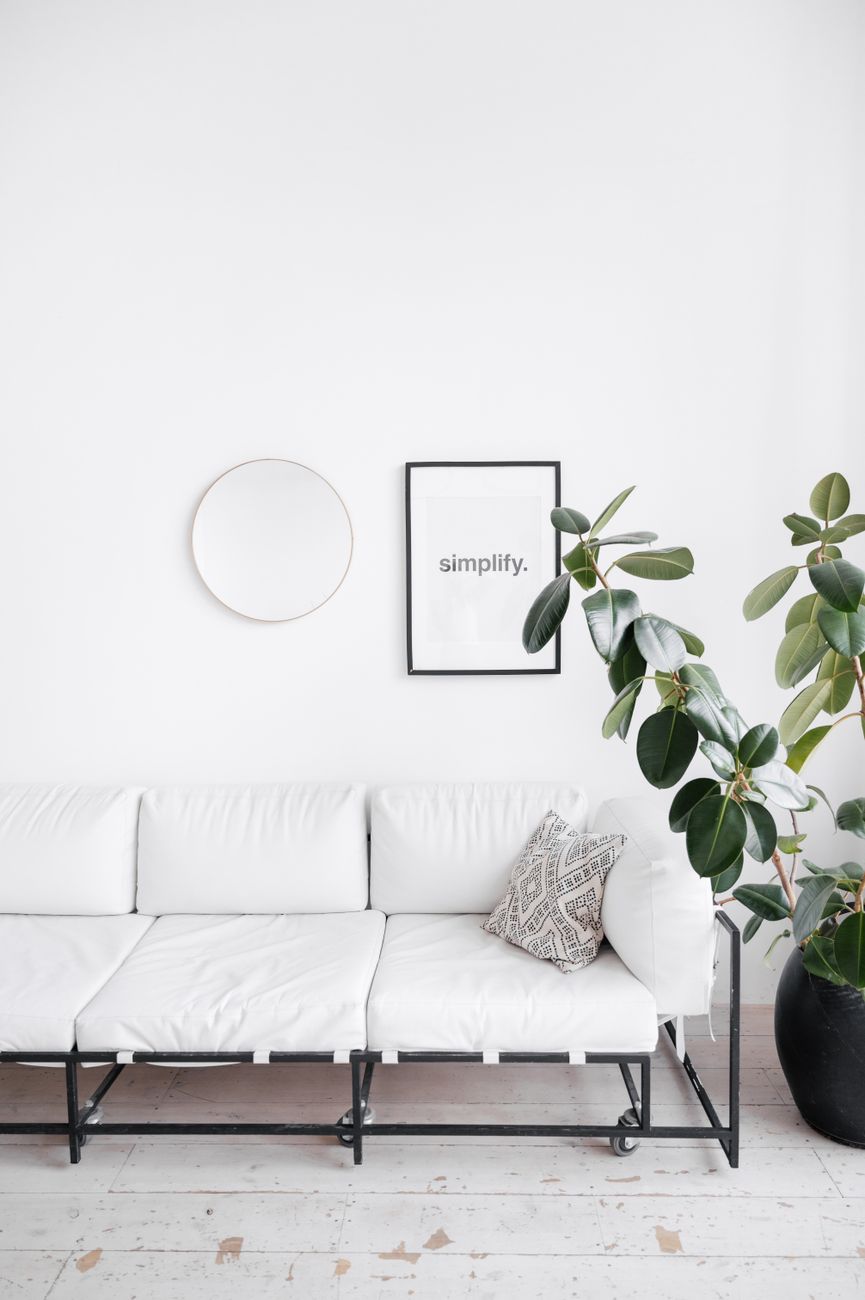
- Reduced and functional: common during exhausted or overloaded phases – “less” here is often a regulation need, not a minimalist ideal.
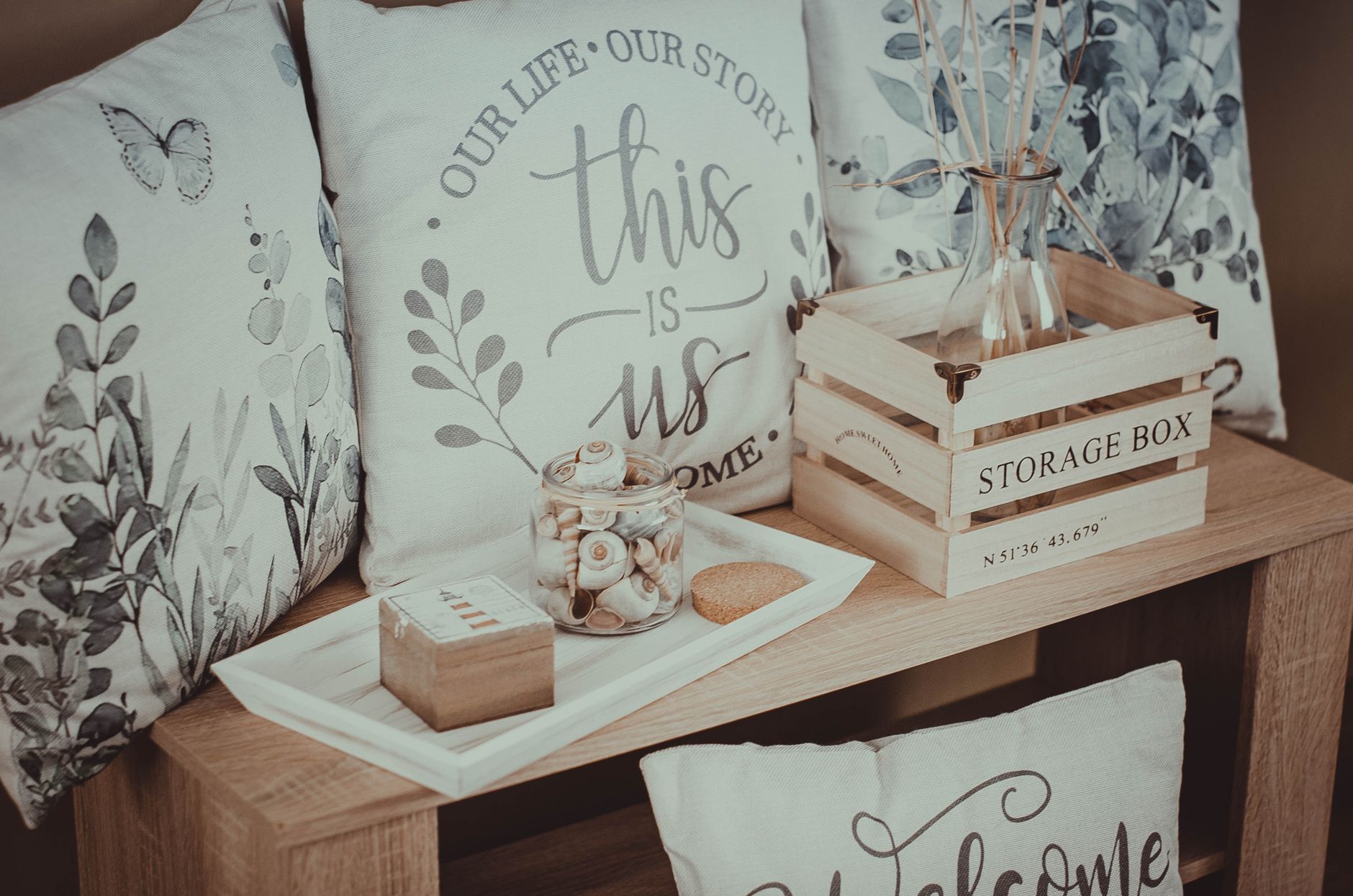
- Warm and full of keepsakes: common during phases that need security and connection – after loss, during transitions, when longing for comfort.
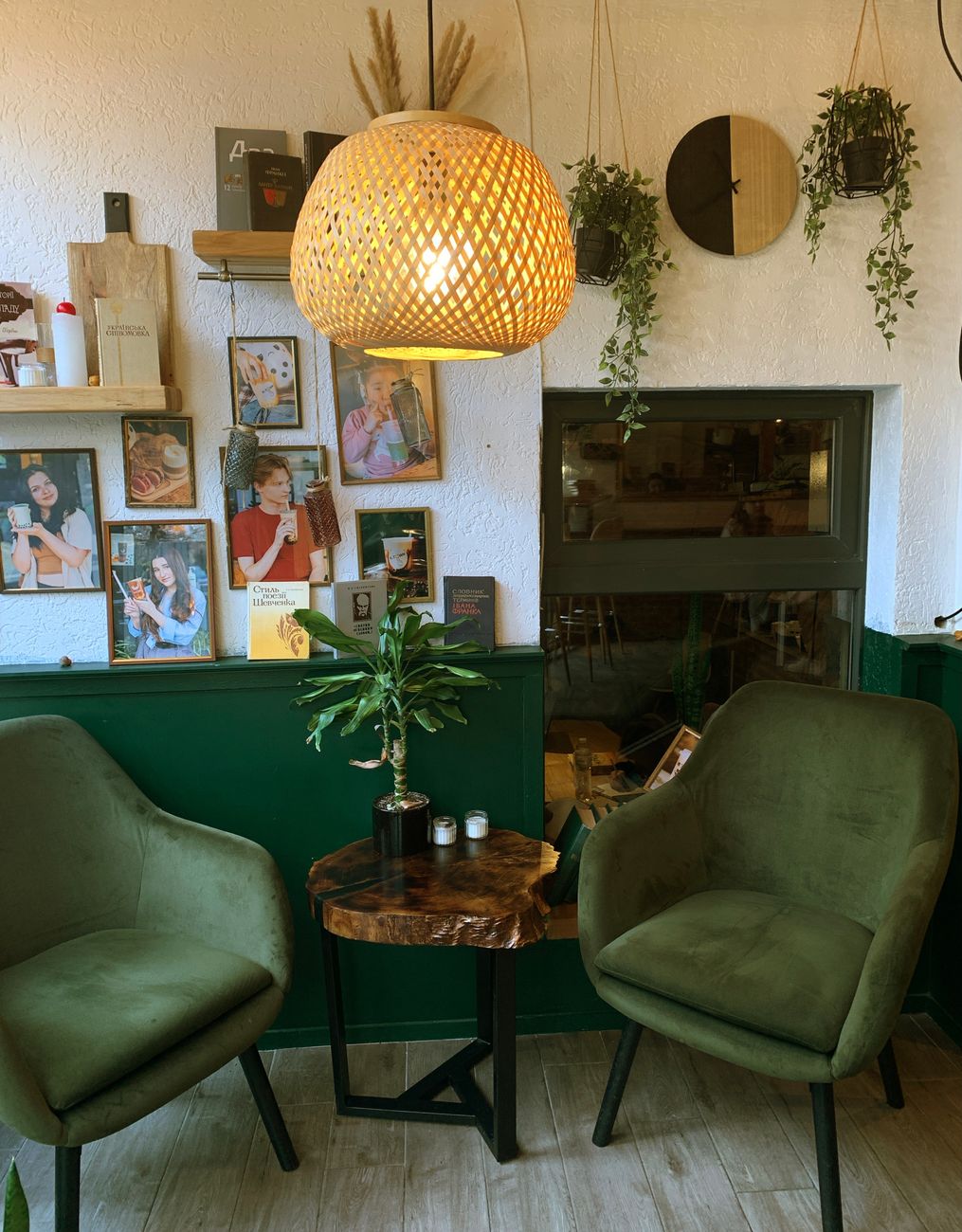
- Bold, unusual, loud: common during phases of self-empowerment – when you’re starting to take up space again instead of making yourself small.
- Constantly rearranged, never “finished”: common during phases of active inner change – your home is still searching for the new version of you.
What this means for you
The point isn’t to judge or “fix” your current style. It’s to read it as information rather than a trend to follow or reject. If you’re currently drawn to Pinterest-perfect, clean spaces despite genuinely loving keepsakes, ask yourself whether that’s really your style right now – or whether you’re trying to regulate yourself.
Both are legitimate. But it’s worth knowing the difference.
PART OF THE CIRCLE WITH HEAL YOUR MIND:
How much outside pressure – including the pressure to live “correctly” or present yourself “correctly” – can overwrite your own identity is covered in our article “Narcissistic Parents, Adult Children: Why Going No Contact Isn’t ‘Ungrateful’” on Heal your Mind. At its core, that piece is also about telling your own expression apart from other people’s expectations.
Leave a Reply