
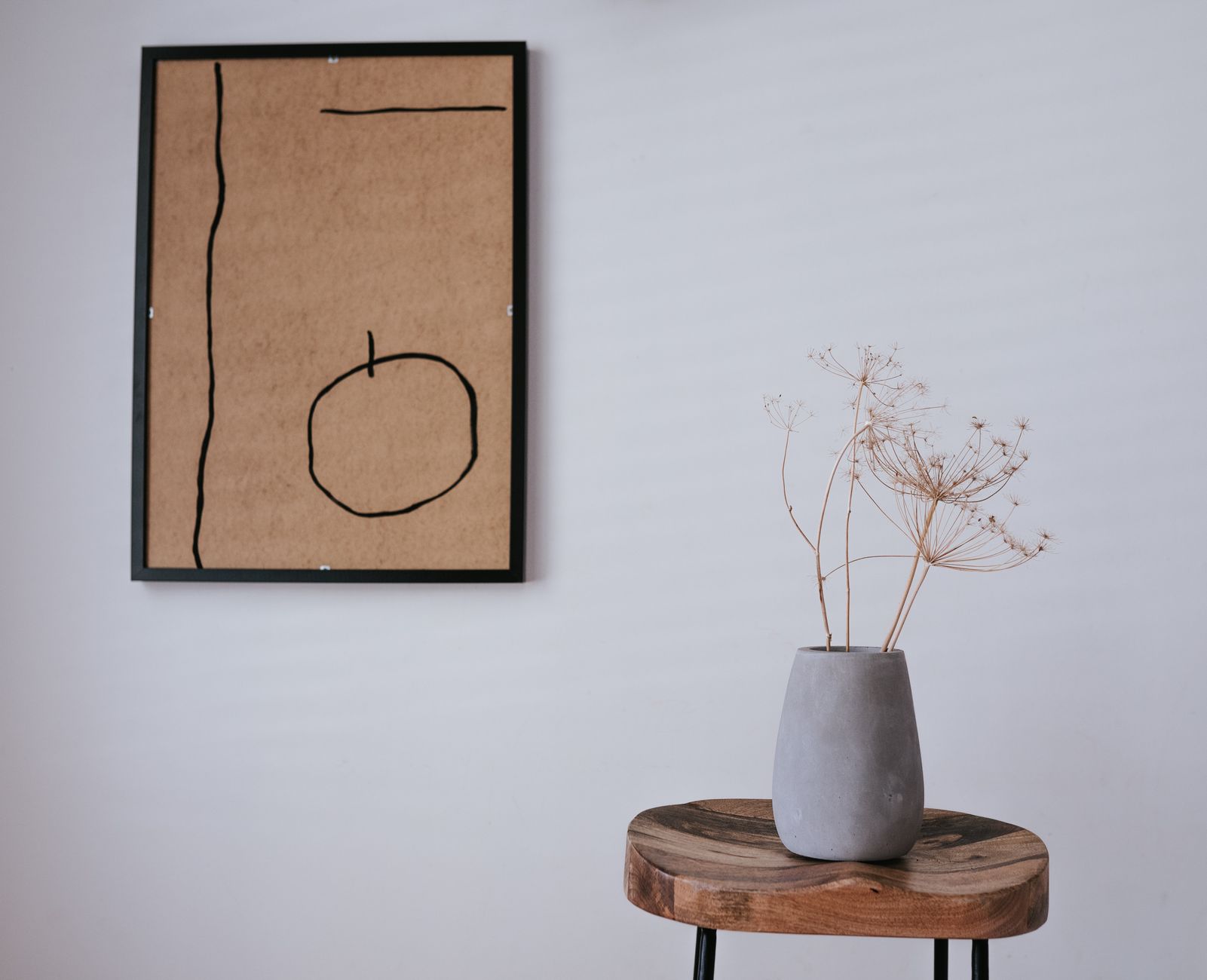
Anyone looking for decorating inspiration in 2026 keeps running into three terms: Coastal Grandmother, Japandi, and Warm Minimalism.
At first glance they look like three separate styles – but look closer and they’re telling the same story: away from sterile, cold perfection, toward warmth, texture, and a home that feels lived-in rather than staged.
Japandi: the calm fusion of Japan and Scandinavia
Japandi blends Japanese minimalism (wabi-sabi: finding beauty in imperfection) with Scandinavian coziness (hygge). In 2026 the style has visibly evolved: instead of the cool neutrals that used to dominate, warmer earth tones are taking over – clay, ochre, muted green, terracotta.
Key elements include low, handcrafted furniture, natural materials like wood, linen, and stone, deliberately empty surfaces (the Japanese concept of “ma”), and warm, dimmed lighting. In 2026 the style feels less strictly staged and more “lived in” – a deliberate contrast to the sterile minimalism of recent years.


Coastal Grandmother: from aesthetic to “Coastal Heritage”
The TikTok-born Coastal Grandmother look – inspired by Nancy Meyers films, with linen, rattan, muted blues, and a relaxed, elegant beach-house feel – is evolving in 2026 toward “Coastal Heritage.”
The difference: more visible craftsmanship instead of pure curation, more texture through layered rugs and heavier weaves, and a stronger emphasis on vintage pieces with real history rather than a manufactured antique look. In short: less perfectly curated, more honestly lived-in.


Warm Minimalism: the connecting thread
Warm Minimalism is less its own style than the underlying principle behind both trends: reduction, yes, but without coldness. Instead of pure white surfaces and sharp edges, broken whites, natural materials, and soft lighting dominate. The idea behind it: a home should feel calm without feeling impersonal.


Why all three trends are heading in the same direction
After years of sterile “Instagram minimalism” – flawless but soulless – people are now looking for spaces that feel real: with visible material traces, handcrafted details, and a warmer, more personal touch.
That’s not a coincidence, but an understandable reaction to an aesthetic that prioritized perfection over livability for a long time.
What this means for your own home
You don’t have to pick one of the three labels. The shared underlying principle – natural materials, warm rather than cold tones, deliberate rather than overstuffed surfaces, visible rather than hidden craftsmanship – can be applied to any home, regardless of the label, budget, or size.


PART OF THE CIRCLE WITH HEAL YOUR MIND:
The line between a genuine need and a mere trend label runs through many areas of life, not just interior design. More on that in our article “Why It’s Not Actually Everyone: The Line Between Real Narcissism and a Trend Diagnosis” on Heal your Mind.
Leave a Reply