
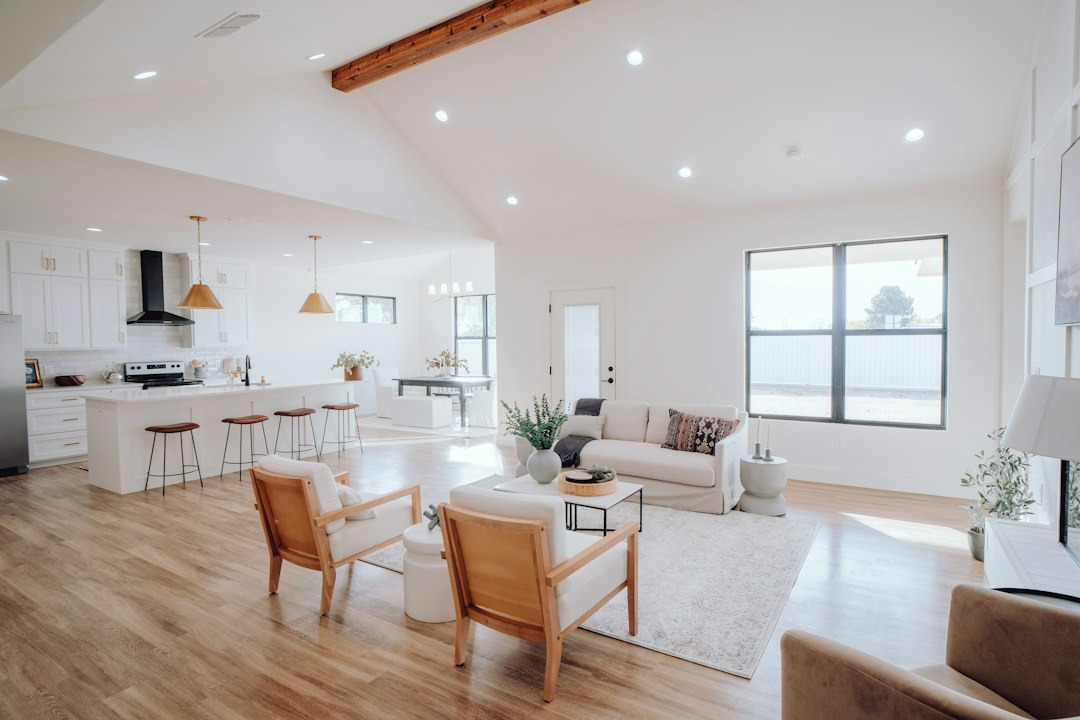
You know those homes you walk into and instantly think: everything here just works. No single piece is shouting for attention, yet the whole space feels calm and intentional. Here’s the surprise: it has very little to do with price. A home looks “expensive” when it feels calm, cohesive and cared for. And that’s achievable on a small budget.
Here are seven ways to get there.
1. Fewer things, more breathing room
High-end rooms have space. Clear surfaces on your dresser, coffee table and shelves instantly feel more luxurious than a collection of many small decorative items. A good rule of thumb: place one to three objects of different heights on each surface, for example a vase, a tray with a candle and a book. Store the rest in drawers or boxes.
2. A calm color palette
The more colors in a room, the busier and more “thrown together” it feels. Choose two to three base colors (for example cream, sand and a deep green or charcoal) and repeat them across furniture, textiles and decor. Tone-on-tone combinations with varied textures look especially refined.
3. Flattering light
A single bright ceiling light is the enemy of coziness. Use several small light sources at different heights: a floor lamp, a table lamp, maybe string lights or LED candles. Choose warm white bulbs (around 2700 Kelvin). They make walls, wood and fabrics look softer and richer.
4. Natural materials and textures
Linen, cotton, wood, ceramic, glass, rattan: natural materials look high quality even when they’re affordable. Shiny plastic, glossy finishes and busy pattern mixes make a room look cheap fast. A linen pillow cover often costs only a few dollars more than polyester, but the visual difference is huge.
5. Curtains: the underrated trick
Hang curtains as high as possible above the window (close to the ceiling) and let them fall to the floor. This stretches the room visually and makes it feel taller. Heavy, flowing, linen-look fabrics in natural tones are the classic choice. Bonus: steamed or ironed curtains make a surprising difference.
6. One or two statement pieces instead of many small things
Instead of ten decor items that sort of belong, choose one eye-catching piece: a large vase, a special lamp, one big artwork. It gives the room a focal point and looks deliberately chosen. Simple vases in clean shapes work especially well, and you can fill them with pampas grass, branches or dried flowers.
7. The small details
These often make the real difference:
- Hide cables (cable channels, cable boxes)
- Swap furniture handles (new brass or black hardware transforms budget furniture)
- Frame your art instead of taping posters to the wall
- Care for your plants, or replace them with high-quality-looking dried flowers
- Fresh, ironed bedding and textiles
And most importantly: order
Even the most beautiful setup looks cheap if everything is lying around. A fixed place for everything, closed storage and a quick evening reset (10 minutes is enough) keep the high-end impression going.
Why this is about more than looks
A calm, cohesive environment affects you: fewer visual stimuli mean less tension, and a home you love being in is a place where your nervous system can wind down more easily.
At its core, a home that looks “expensive” is simply a home that feels calm.


More inspiration: Our gallery on Heal your Home has hand-picked finds to match this look – for example with the Japandi Decor Trend.
PART OF THE CYCLE WITH HEAL YOUR SKIN
Less, but more intentional. The same principle applies to your skincare routine. Read on Heal your Skin: “The 3 Biggest Beauty Trends of 2026: Fewer Products, Healthier Skin.” (soon available in English)
Leave a Reply