
Welcome back to the time machine
In Part 1, we dug our way through conversation pits, shag carpets and Memphis furniture. And we learned one thing: what was embarrassing yesterday ends up in a museum today. Now we travel on, into the decades many of us still remember for ourselves.
The 90s and 2000s were the age of hardware-store creativity. Home magazines and the first makeover shows on TV promised that with a bit of paint, a sponge and a free Saturday, any home could become a dream home. You might still remember the result from your parents’ living room, or from your own.
So: sponge it and forget it? Or is a second look worth it? Let’s take a look at the biggest classics and pass judgment: art, or can it go?
The classics of the 90s and 2000s, put to the test
1. The Tuscan look with sponge-painted walls
Terracotta, ochre, sunny yellow, and walls dabbed with a natural sponge to look “like plaster”. If you couldn’t travel to Tuscany, you simply brought Tuscany into your living room, often topped off with wrought-iron candle holders and plastic grapes. The wish behind it was sincere: warmth, sunshine, a hint of vacation in everyday life.
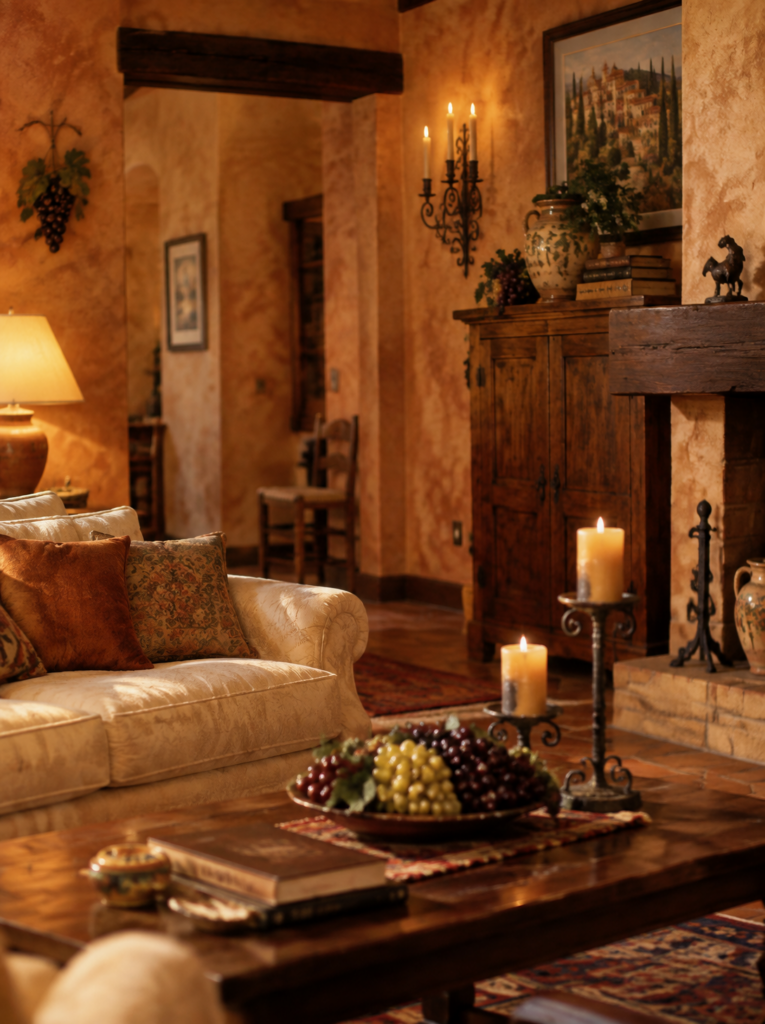
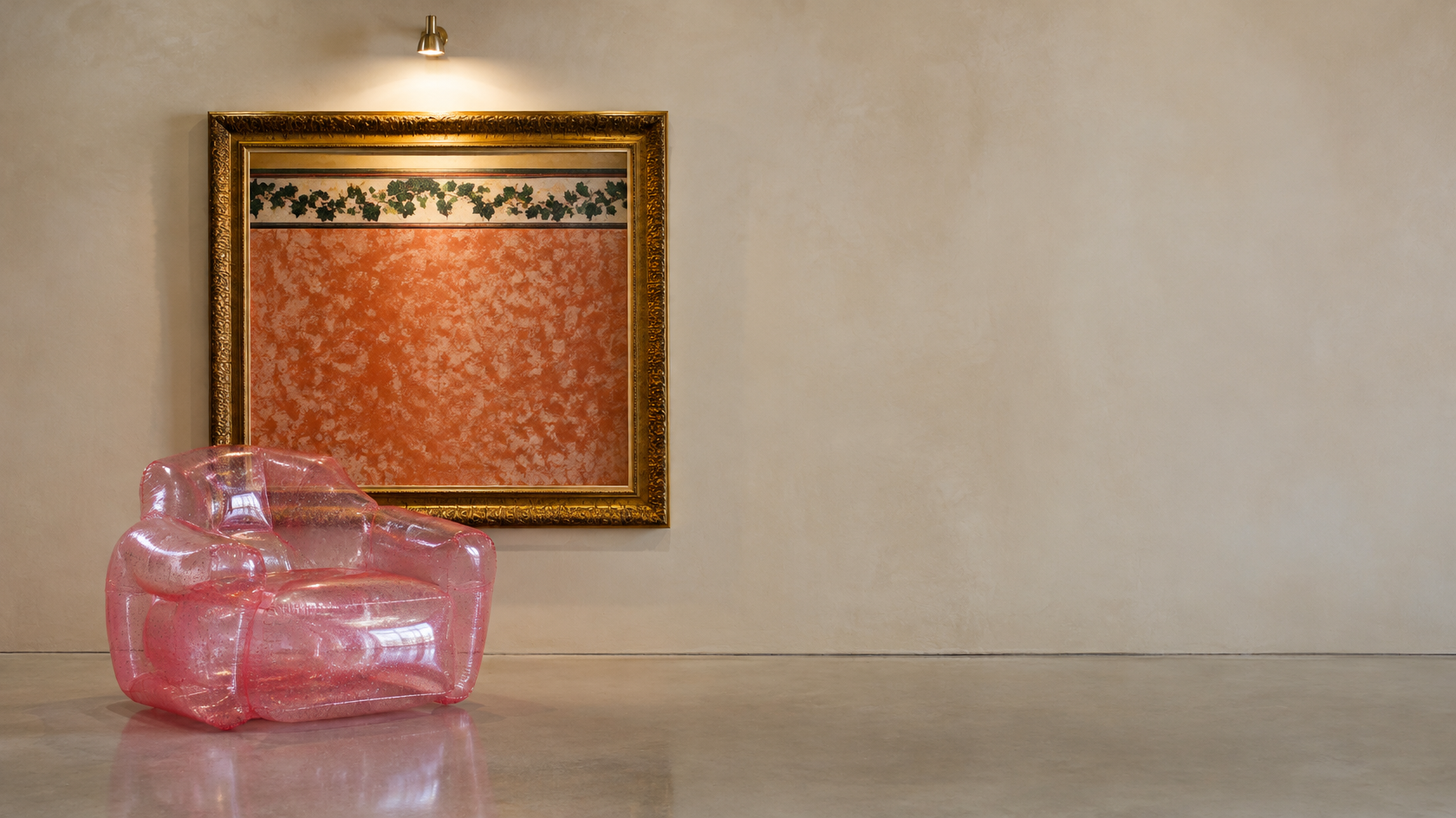
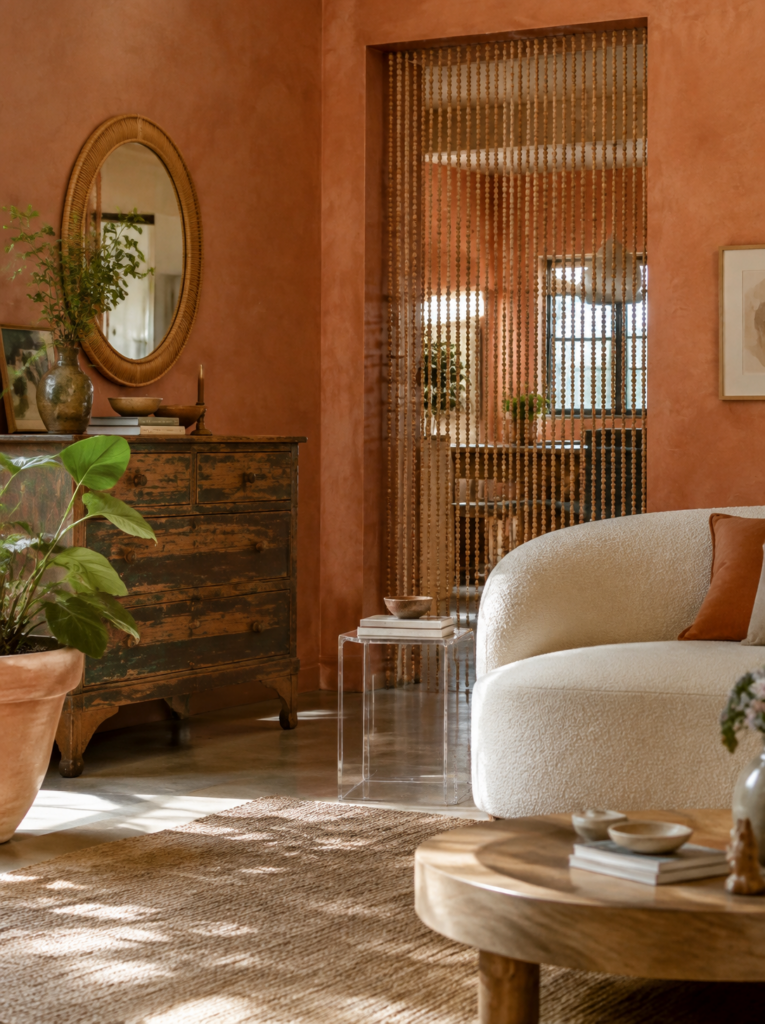
Verdict: Can go, but with a back door. A sponge-painted wall quickly looks busy and dated today. Its modern sister, however, is very popular right now: lime plaster, clay paint and limewash give walls exactly that lively, cloudy depth, only calmer and more refined.
2. Wallpaper borders
That narrow strip halfway up the wall or right below the ceiling, with ivy tendrils, teddy bears, ducks or vineyard motifs. Borders were the easiest way to give a room “a theme”. Unfortunately, they were also the first thing that could only be removed again with a lot of patience and a scraper.
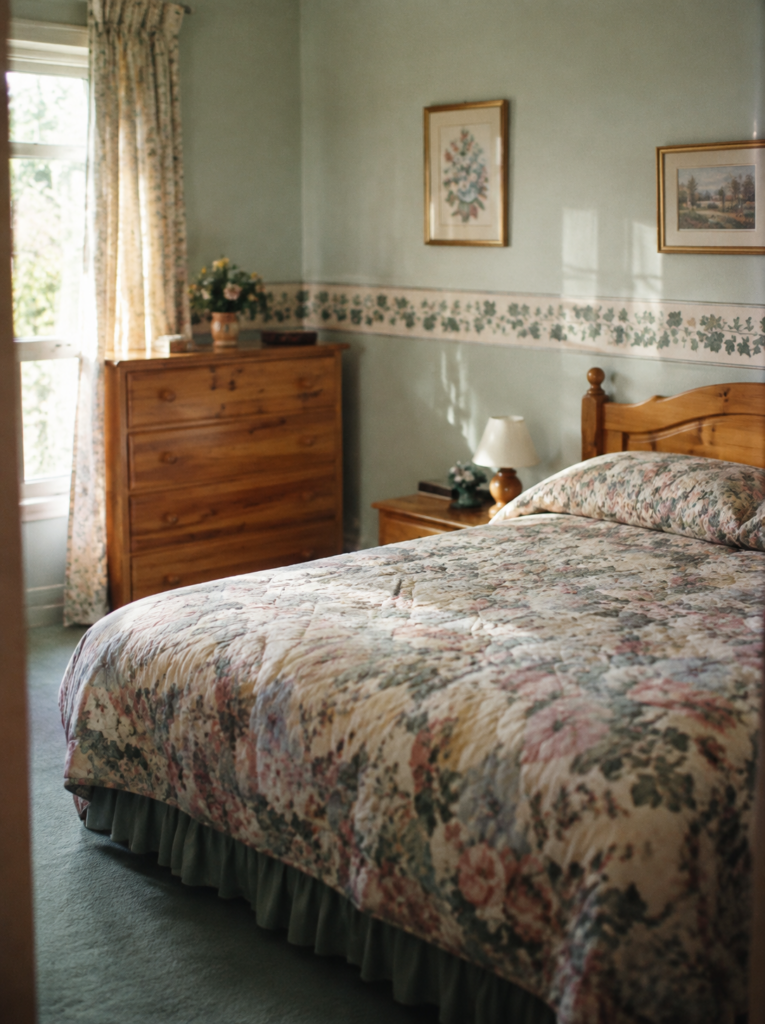
Verdict: Can go. As a motif strip, they are hard to save. But the idea of dividing a wall horizontally lives on: a half-height painted dado in a second color or a wooden molding feels fresh and cozy today.
3. Inflatable furniture
Transparent armchairs in pink, purple or turquoise, sometimes even with glitter inside. They stood in almost every teenager’s room in the late 90s, squeaked with every move and slowly but surely lost air. People bought them anyway, because they looked like freedom, parties and “this is mine!”.
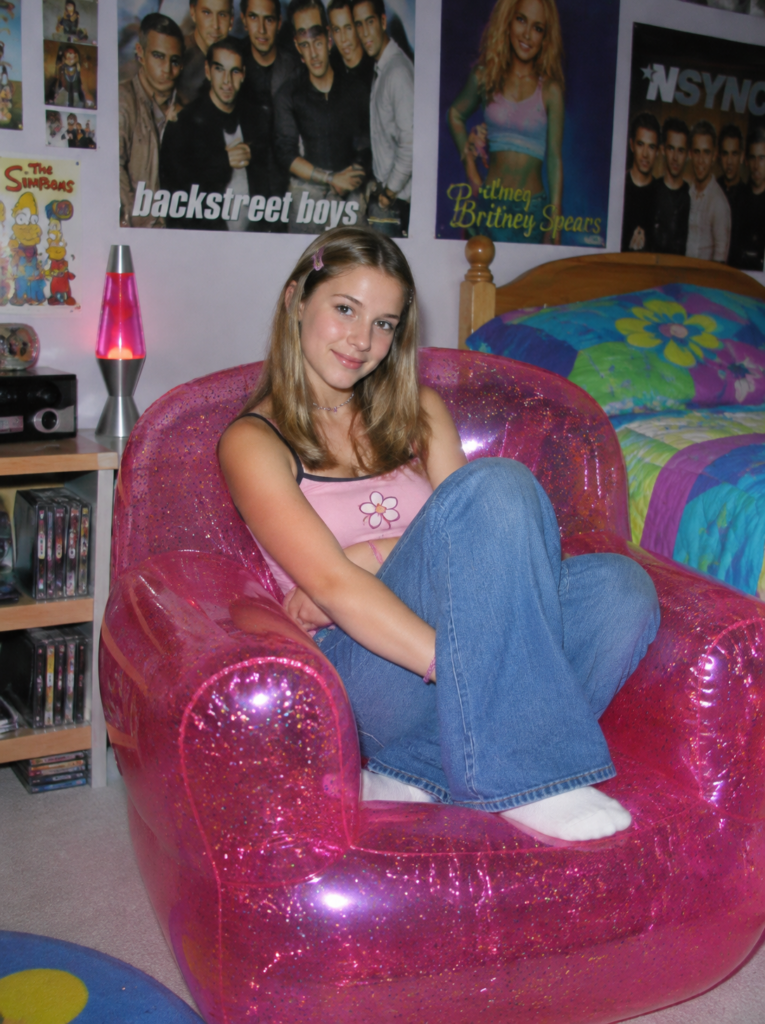
Verdict: Art, at least as a quote. They are not much good for actually sitting on. But the Y2K trend has brought back transparent, playful, candy-colored furniture, today made of acrylic rather than PVC. A single piece with a wink is allowed to stay.
4. Beaded curtains
Clattering strands of wooden, bamboo or plastic beads in the doorway, often in rainbow colors. They divided rooms without closing them off and brought a bit of hippie flair and wanderlust into hallways and kids’ rooms.
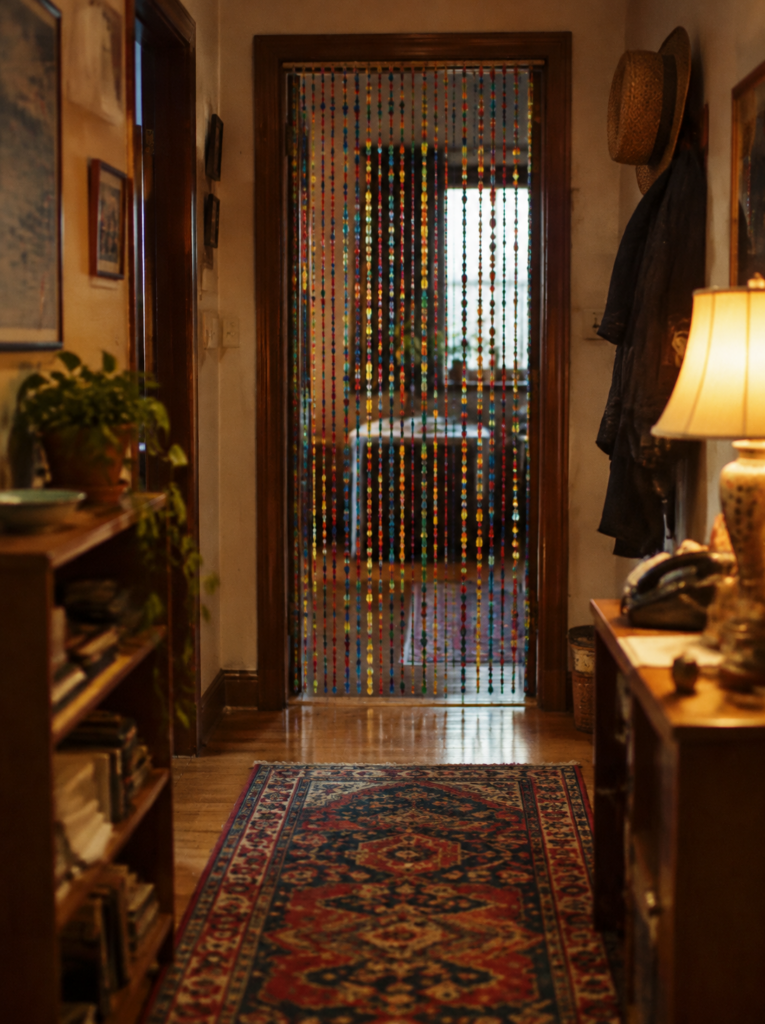
Verdict: Art, handled with care. Room dividers made of wooden beads, macramé or shells are showing up again in boho style, in the Afrobohemian look and in kids’ rooms. The material is what matters: natural tones and wood look right today, while colorful plastic feels more like a costume party.
5. Wall decals
Swirly lettering like “Home is where the heart is”, dandelion seeds drifting across the wall above the sofa, or a tree with photo frames on its branches. In the 2000s, wall decals promised personality you could simply stick on: quick, cheap and renter-friendly.
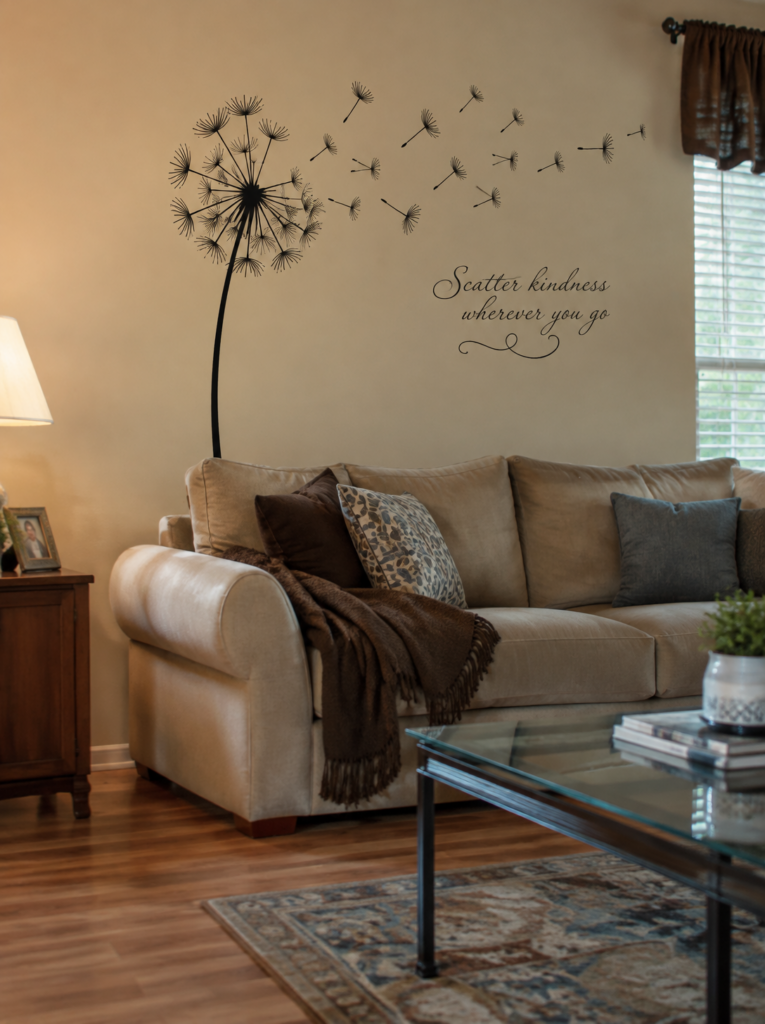
Verdict: Can go. The quotes feel generic today, and crooked decals forgive nothing. But the idea of decorating walls without drilling or painting lives on in high-quality wallpaper, wall art and framed prints that you can swap out anytime.
6. Shabby chic
White-painted furniture, deliberately sanded edges, rose patterns, ornate mirrors and “Home Sweet Home” signs. Shabby chic was the romantic counterpart to glass and chrome, and it turned sanding down old dressers into a national pastime.
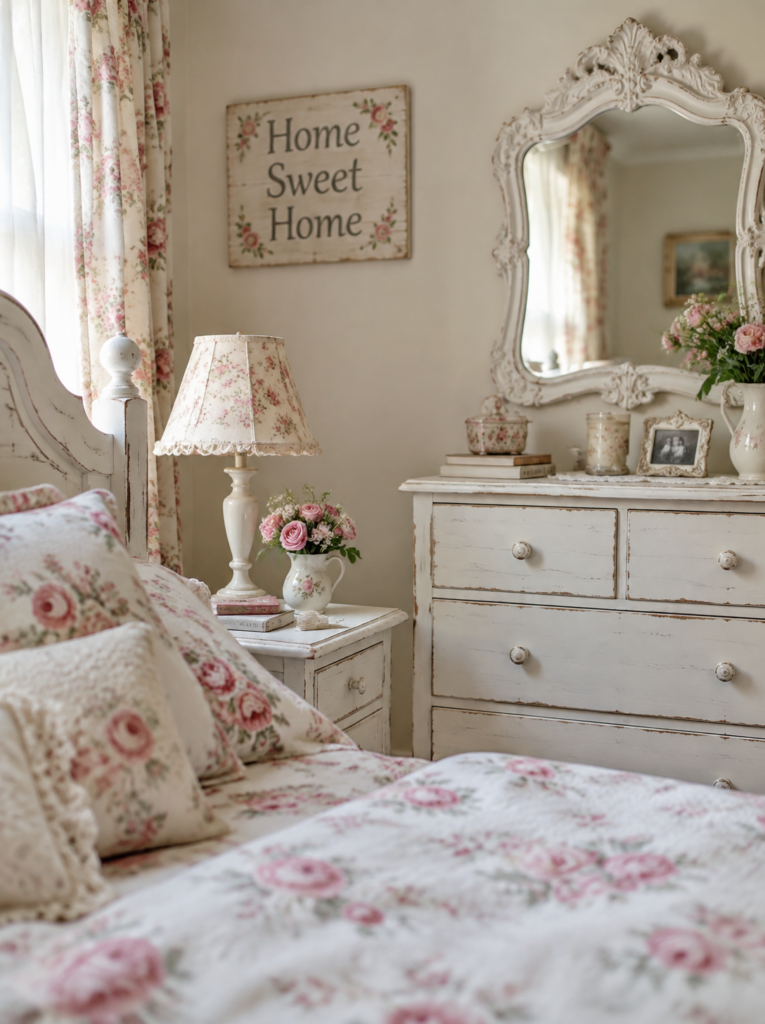
Verdict: Art, in a new form. The original look with artificially aged surfaces quickly feels overdone today. But the idea behind it, giving old furniture a second life, is more relevant than ever. Cottagecore and upcycling have taken over the legacy, only more honestly: real signs of use instead of sandpaper patina.
7. The single colored accent wall
Four white walls and one in eggplant, lime green or orange. The accent wall was the cautious compromise: color, yes, but please not too much. Often it was the wall behind the sofa or the bed, and often it matched absolutely nothing else in the room.
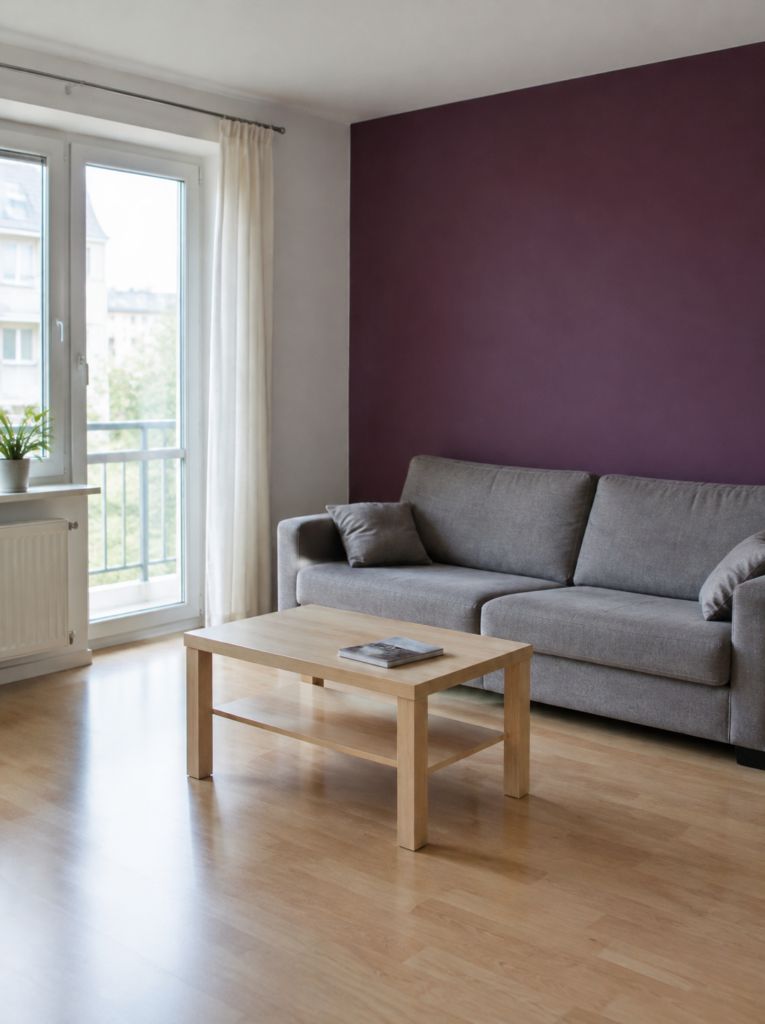
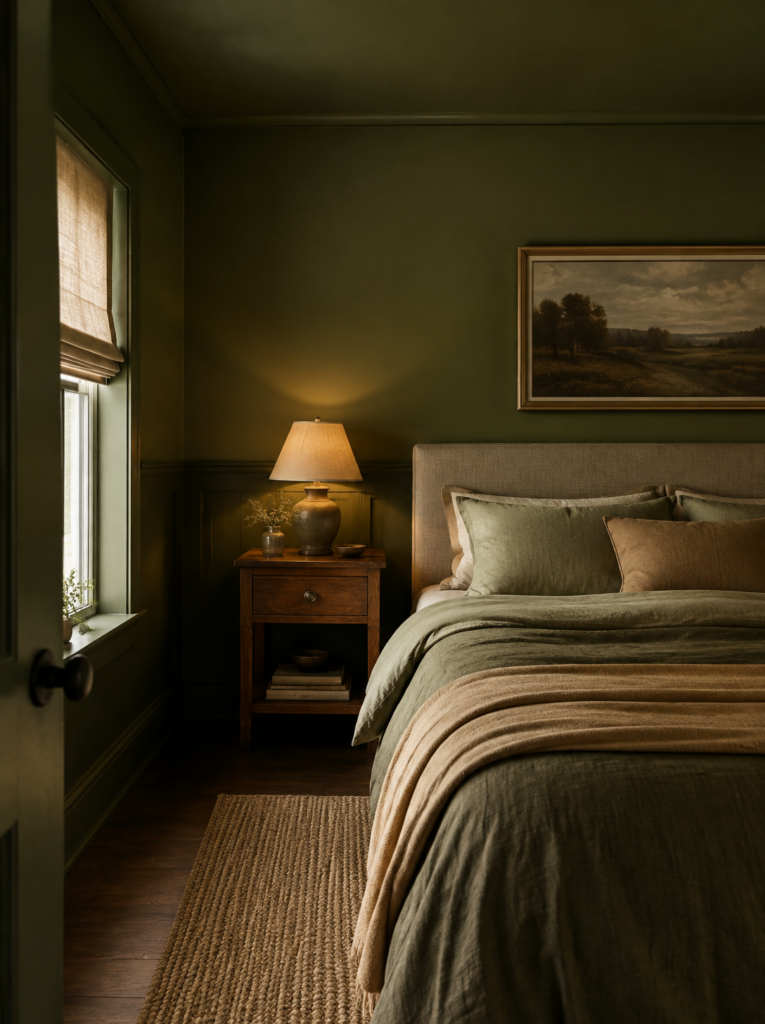
Verdict: Art, if it shows courage. As a timid splash of color, it is outdated today. Modern concepts like color drenching go the opposite way and immerse the whole room, ceiling and trim included, in one color. If you want an accent wall today, give it a job: as a frame for a reading nook, a bed or a gallery wall.
What was behind the trends: DIY as a longing
When you look at the seven classics side by side, something stands out: almost all of them could be done yourself. A sponge, a border, a wall decal, sandpaper, a bucket of paint. The 90s and 2000s were the age of “I can do that too”, and that was exactly their charm.
Behind it was a feeling many of us still know today: the wish to shape your own home instead of just furnishing it. The Tuscan wall stood for wanderlust, the inflatable chair for independence, shabby chic for comfort and a romantic, intact world. Around the turn of the millennium, in a time full of upheaval, home became the place where you got to decide for yourself.
Maybe that also explains why these trends still touch us today, even when we laugh about them. They remind us of childhood bedrooms, of Saturdays at the hardware store, of the people who painted those walls with us.
Conclusion: The sponge is coming back, just differently
The verdict for the 90s and 2000s is mixed. Borders and wall decals may rest in peace. Beaded curtains, transparent furniture and the idea behind shabby chic, on the other hand, are making a comeback right now, and the sponge-painted Tuscan wall returns as elegant lime plaster.
This confirms the cycle we already saw in Part 1: trends come back roughly every 20 to 30 years. The 90s and 2000s have arrived right in that window. What shaped your room at 14 is now called Y2K and sold as “vintage”.
And maybe that’s the nicest insight of all: there is no final “can go”. There are only things that are taking a break.
Coming up in Part 3
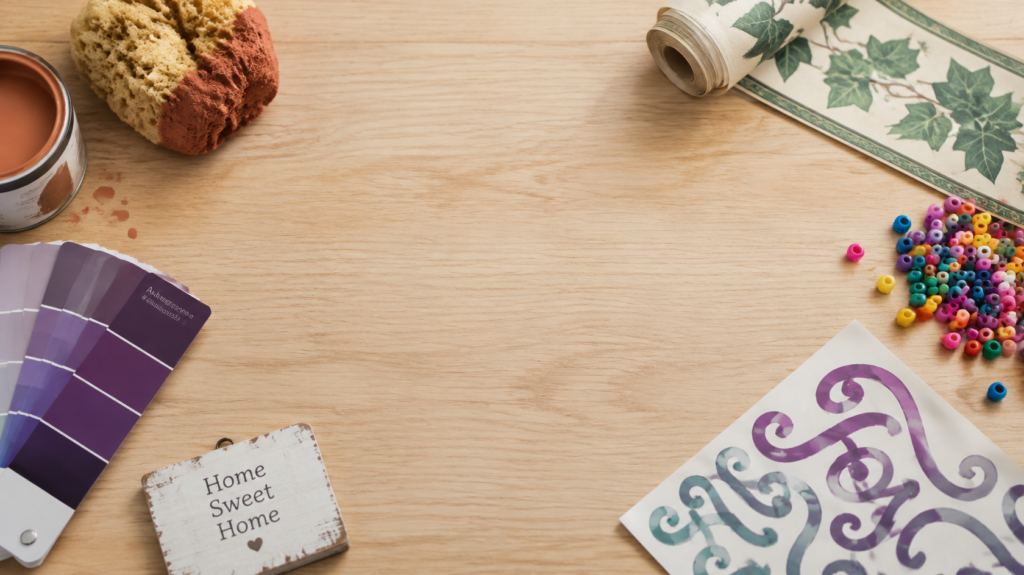
In the third and final part, we land in the present: mason jars as decor, “Live Laugh Love” signs, pallet furniture, Edison bulbs, barn doors and the famous millennial gray. And we take a look at today’s trends, mushroom lamps, bouclé and curvy sofas. Will we laugh about them in 20 years too?
Leave a Reply